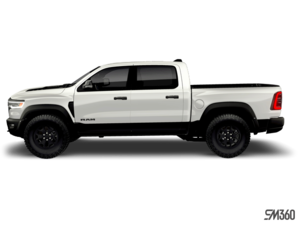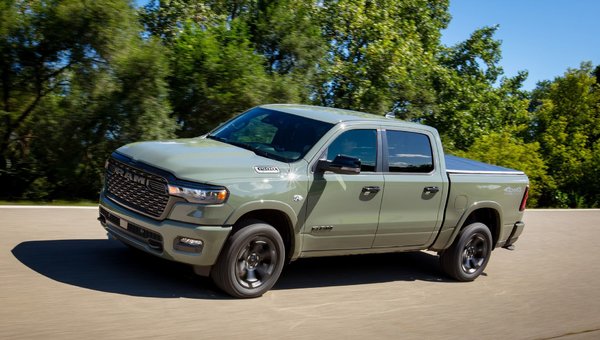
The 2026 RAM 1500 Hurricane vs. the HEMI V8: What Edmundston Truck Owners Need to Know
July 22 2025,
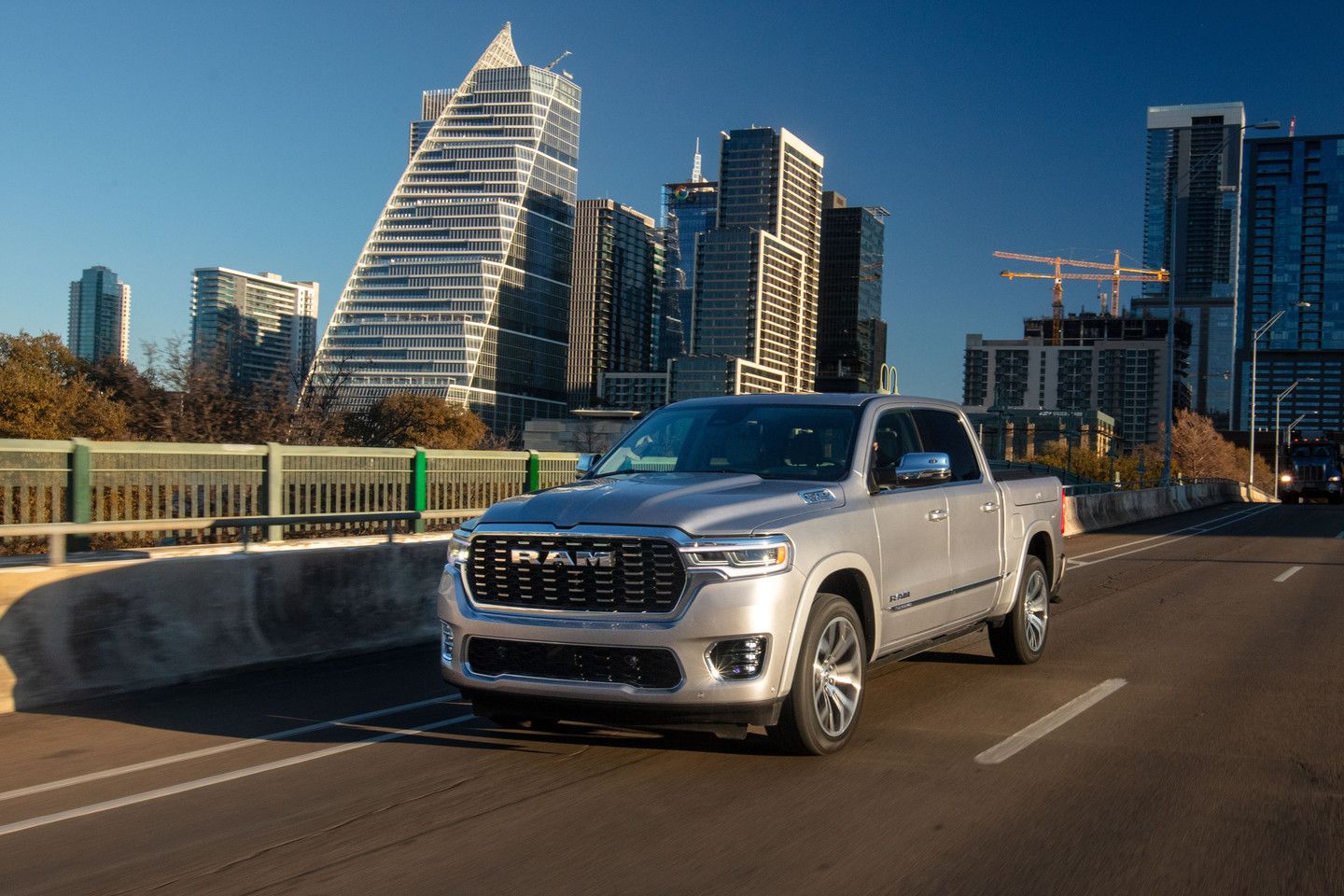
The challenge facing RAM truck owners in Atlantic Canada centres on one key question: does the new Hurricane engine deliver the same dependable performance as the legendary HEMI V8 they've come to trust? The answer lies in understanding what each engine brings to your specific driving needs in the Edmundston region.
With the 5.7-litre HEMI V8 returning to the 2026 RAM 1500 lineup alongside the modern Hurricane twin-turbo engines, truck buyers have genuine choice again. This comparison examines these powertrains through the metrics that matter most to local drivers: towing capacity for weekend camping trips to Mount Carleton, real-world fuel economy on Highway 2 runs to Saint John, and low-end torque for navigating unpaved forestry roads.
Engine Options: Power and Performance Breakdown
The 2026 RAM 1500 offers three distinct engine choices, each engineered for different driving priorities:
5.7-Litre HEMI V8 eTorque
- Power: 395 horsepower, 410 lb-ft of torque
- Fuel Economy: 13.0 L/100km city, 10.0 L/100km highway, 11.7 L/100km combined
- Maximum Towing: 5,130 kg (11,310 lbs)
- Fuel Requirement: Mid-grade 89 octane recommended, regular 87 acceptable
3.0-Litre Hurricane Standard Output Twin-Turbo I6
- Power: 420 horsepower, 469 lb-ft of torque
- Fuel Economy: 13.1 L/100km city, 9.4 L/100km highway, 11.5 L/100km combined (2WD)
- Maximum Towing: 5,248 kg (11,570 lbs)
- Fuel Requirement: Premium 91 octane recommended
3.0-Litre Hurricane High Output Twin-Turbo I6
- Power: 540 horsepower, 521 lb-ft of torque
- Fuel Economy: 15.7 L/100km city, 11.5 L/100km highway, 13.8 L/100km combined (4WD)
- Maximum Towing: 4,500 kg (9,920 lbs)
- Fuel Requirement: Premium 91 octane required
All three engines pair with the TorqueFlite 850RE eight-speed automatic transmission, which provides smooth gear changes and manual control when needed.
Towing Performance: Which Engine Pulls Stronger?
For Edmundston truck owners who regularly tow boats to Grand Lake or haul equipment to job sites, maximum towing capacity tells only part of the story. The Hurricane SO edges out the HEMI V8 with 5,248 kg versus 5,130 kg capacity, but both engines deliver ample power for most regional towing needs.
The key difference lies in torque delivery. The HEMI V8's 410 lb-ft peaks at 3,950 rpm, providing the broad, predictable power band RAM owners expect. The Hurricane SO generates 469 lb-ft at 3,500 rpm, offering more pulling power that arrives earlier in the rev range—particularly useful when merging onto Highway 2 with a loaded trailer.
Both engines feature advanced towing technologies, including integrated trailer brake controllers and selectable drive modes that adjust transmission shift points and throttle response for optimal trailer handling.
Real-World Fuel Economy on Maritime Roads
Atlantic Canada's mix of highway driving and stop-and-go town traffic creates unique fuel economy challenges. The Hurricane SO shows clear advantages in NRCan testing, consuming 13.1 L/100km city and 9.4 L/100km highway compared to the HEMI V8's 13.0 L/100km city and 10.0 L/100km highway ratings.
On longer highway runs—such as the almost 450-kilometre drive from Edmundston to Moncton—the Hurricane's twin-turbo design allows the engine to operate more efficiently at cruising speeds. The turbocharged system provides power when needed while running smaller displacement during steady-state driving.
The HEMI V8's eTorque hybrid system helps bridge fuel economy gaps through its 48-volt battery pack and belt-driven motor generator. This system enables engine start/stop functionality and provides up to 130 lb-ft of additional torque during initial acceleration, improving both efficiency and responsiveness in town driving.
Low-End Torque and Drivability

New Brunswick's challenging terrain demands engines that deliver usable power at low RPMs. Both powertrains address this need through different approaches.
The Hurricane engines use twin turbochargers with direct fuel injection to generate substantial torque from idle. This design provides immediate throttle response when navigating steep grades on Route 17 toward the Quebec border or climbing from the Saint John River valley.
The HEMI V8's naturally aspirated design delivers linear power delivery that many drivers find intuitive. Combined with eTorque assistance, the engine provides strong low-end grunt without the potential lag associated with turbocharged systems. This characteristic proves particularly valuable when pulling away from stops on icy winter roads.
|
Feature |
HEMI V8 eTorque |
Hurricane SO |
Hurricane HO |
|---|---|---|---|
|
Peak Torque (lb-ft) |
410 |
469 |
521 |
|
Torque Peak RPM |
3,950 |
3,500 |
3,500 |
|
Fuel Grade |
Regular/Mid |
Premium Rec. |
Premium Req. |
|
Fuel Economy (L/100km) |
11.7 Combined |
11.5 Combined |
13.8 Combined |
|
Hybrid System |
48V eTorque |
None |
None |
Fuel Requirements and Operating Costs
Operating cost considerations extend beyond fuel economy to include fuel grade requirements. The HEMI V8 accepts regular 87-octane fuel, though mid-grade 89-octane is recommended for optimal performance. This flexibility provides cost savings at fuel stations where premium grades command higher premiums.
Both Hurricane engines require or recommend premium 91-octane fuel, adding approximately $0.10-0.15 per litre to fuel costs. Over 20,000 kilometres annually, this difference can approach $300-400 in additional fuel expenses.
Technology Integration and Driver Experience
All three engines integrate with RAM's advanced driver assistance systems and terrain management features. The electronic throttle control allows precise calibration of power delivery across different drive modes, from Eco for fuel efficiency to Tow/Haul for maximum capability.
The HEMI V8's return includes RAM's new "Symbol of Protest" fender badge, acknowledging customer demand for the traditional V8 option. This engine maintains the characteristic V8 sound profile that many truck buyers specifically seek.
Hurricane engines operate more quietly and more smoothly than the HEMI, which some drivers prefer for highway comfort and overall refinement but others may find lacks the auditory feedback they expect from a powerful truck engine.
At Rendez-Vous Chrysler, we can arrange test drives that demonstrate these different engine characteristics on Edmundston-area roads, allowing you to experience how each powertrain responds to your typical driving conditions. This hands-on evaluation often reveals preferences that specifications alone cannot convey.